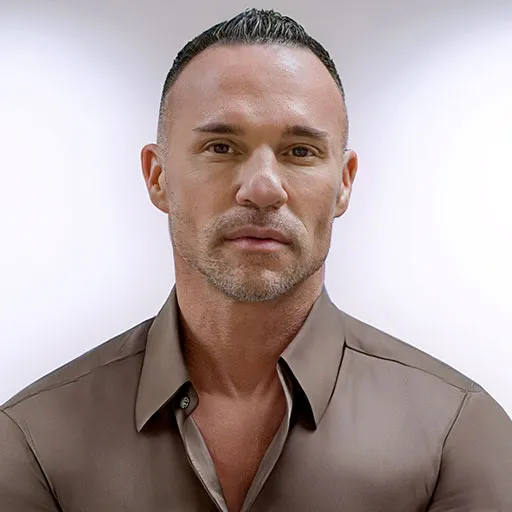
Beyond Compliance: Marc Effron’s Guide to the Core Ethical Traits of a Leader
Ethics is often treated as a baseline requirement for leadership. Follow the rules. Avoid scandals. Protect the organization. Those expectations matter, but they fall short of what high-performing leaders actually need in complex, high-pressure environments.
For Marc Effron, ethical leadership is not a compliance exercise. It is a performance discipline. The way a leader handles power, makes decisions under pressure, and treats people when outcomes are uncertain shapes not only reputation, but also results. Ethics becomes the operating system behind trust, execution, and long-term influence.
That distinction is why conversations about the ethical traits of a leader deserve far more sophistication than a checklist of virtues. In modern organizations, ethics is inseparable from strategy, culture, and sustained performance.
Why Ethics Is a Performance Issue, Not a Legal One
When executives think about ethics, they often picture legal boundaries or formal codes of conduct. Those frameworks exist to prevent harm. They rarely explain what exemplary leadership looks like day to day.
Ethical leadership shows up in quieter moments. It appears in how leaders allocate credit, handle dissent, communicate bad news, and decide whose interests carry weight when tradeoffs are unavoidable. These choices accumulate. Over time, they determine whether people speak up, whether teams stay aligned, and whether organizations move quickly or stall under hidden fear.
Leader ethics is not abstract. It governs how authority is exercised when no one is watching closely and how decisions are justified when outcomes are ambiguous.
That is why ethical leadership belongs in the same category as performance coaching and leadership coaching. It shapes the quality of execution long before it becomes a headline.
What Is an Ethical Leader?
An ethical leader is not defined only by personal integrity. Integrity is the starting point, not the finish line.
Ethical leaders consistently align their actions with stated values, even when doing so is inconvenient. They create psychological safety without surrendering standards. They remain transparent about constraints, tradeoffs, and uncertainty. Most importantly, they treat power as a responsibility rather than a privilege.
These characteristics of an ethical leader show up through patterns, not speeches. Employees learn what matters by watching which behaviors are rewarded, which shortcuts are tolerated, and which conversations leaders are willing to have publicly.
Ethics becomes visible through consistency.
The Core Ethical Traits of a Leader
The most effective ethical leaders share several traits that operate beneath surface-level professionalism. These qualities guide judgment under pressure and prevent small compromises from becoming cultural norms.
Moral Clarity
Ethical leaders articulate what the organization stands for and what it will not trade away to achieve short-term gains. This clarity gives teams a reference point when navigating gray areas. Without it, people default to self-protection or speed at the expense of trust.
Accountability
Strong leaders apply standards to themselves before imposing them on others. They own mistakes, correct course visibly, and resist the temptation to shift blame. Accountability signals that ethics is structural, not situational.
Fairness in Decision-Making
Ethical leader traits include a disciplined approach to fairness. That does not mean avoiding hard calls. It means explaining the rationale behind them, weighing stakeholder impact carefully, and avoiding favoritism. When people understand how decisions are made, they are far more likely to accept outcomes they dislike.
Courage Under Pressure
Some of the most important leadership and ethics moments arise when the right decision is unpopular or expensive. Ethical leaders are willing to slow momentum, challenge groupthink, or disappoint powerful stakeholders when values are at risk.
Respect for People
Respect shows up through listening, transparency, and restraint in how authority is exercised. Leaders who treat people as replaceable resources eventually erode loyalty and initiative. Those who demonstrate dignity in everyday interactions build commitment that outlasts any incentive plan.
Can a Leader Be Effective Without Ethics?
In the short term, sometimes yes.
History offers examples of leaders who produced results while cutting corners or ruling through fear. Over longer horizons, those approaches almost always collapse. Talent leaves. Information becomes distorted. Risk concentrates at the top. Reputation erodes until strategic options narrow.
The benefits of ethical leadership compound slowly but powerfully. Organizations led by ethical executives tend to experience stronger engagement, faster recovery from setbacks, and greater resilience during market disruptions. Trust becomes an accelerant rather than a drag.
Leadership and ethics are not competing priorities. They are mutually reinforcing systems.
Why Ethical Leadership Shapes Culture More Than Policy
Codes of conduct and training modules matter. Culture, however, is formed by behavior that leaders model repeatedly.
When senior executives admit uncertainty, ask for dissenting views, and treat failure as a learning signal rather than a political weapon, those norms ripple outward. When they hide information, reward loyalty over competence, or rationalize questionable actions in pursuit of targets, that message spreads even faster.
Ethical leadership traits do not live in binders. They live in meeting rooms, making hiring decisions, conducting performance reviews, and responding to crises.
Over time, those signals become the culture.
Ethical Leadership as a Coaching Discipline
Many executives do not struggle with understanding what is right. They struggle with applying it consistently amid pressure, complexity, and competing incentives.
That is where performance coaching becomes particularly powerful. Coaching allows leaders to examine how values show up in real decisions, not hypothetical scenarios. It surfaces blind spots, stress responses, and habits that quietly undermine ethical intentions.
Leadership coaching also creates space to rehearse difficult conversations, test decision frameworks, and reflect on how others are experiencing authority in the organization. Ethical growth, like any other leadership capability, benefits from deliberate practice.
When leaders treat ethics as a skill set to be strengthened rather than a fixed personality trait, they expand their capacity to lead through uncertainty without sacrificing credibility.
What Is Ethical Leadership in Practice?
Ethical leadership becomes visible in moments that rarely appear in policy manuals. It shows up when leaders speak candidly about risk and uncertainty, invite challenges from people who disagree with them, and make tradeoffs explicit rather than quietly political. It appears when mistakes are corrected quickly and in public, and when individuals who surface uncomfortable truths are protected rather than sidelined.
Taken together, these behaviors signal that values are not aspirational slogans. They function as operating standards that govern decisions long before regulators, boards, or headlines become involved.
Beyond Compliance
The most respected leaders do not outsource ethics to legal departments or annual training sessions. They embed it into strategy, talent systems, and daily decisions.
For Marc Effron’s work with senior executives, ethics is inseparable from performance. Leaders who cultivate moral clarity, accountability, courage, and respect build organizations capable of sustained excellence rather than periodic success.
In an environment defined by complexity and scrutiny, the ethical traits of a leader are no longer optional enhancements. They are core drivers of trust, alignment, and long-term impact.
Executives who want to deepen ethical judgment at the highest levels of responsibility can contact Marc Effron to explore how performance coaching, leadership coaching, and working directly with Marc Effron can support that work. His approach is designed for leaders who take long-term excellence seriously and want their decisions to reflect the standards they expect from their organizations.