Unlock Your Leadership Potential With Coaching & Consulting| Marc Effron
Great leaders are not defined only by what they accomplish. They are represented by how they show up. Every interaction, every decision, and every moment of pressure reveals who a leader really is. That presence is what people respond to long before any strategy or title enters the room. Executive presence coaching can help people become the leaders they aim to be.
Executive presence is not a personality trait. It is the result of clarity, emotional discipline, and alignment between who you are and how you lead. When a leader has that presence, teams feel grounded. Clients feel confident. Organizations feel stable. Performance follows because people trust the person at the center of it.
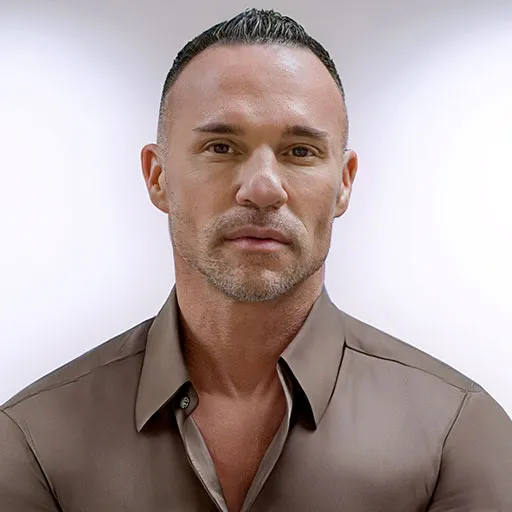
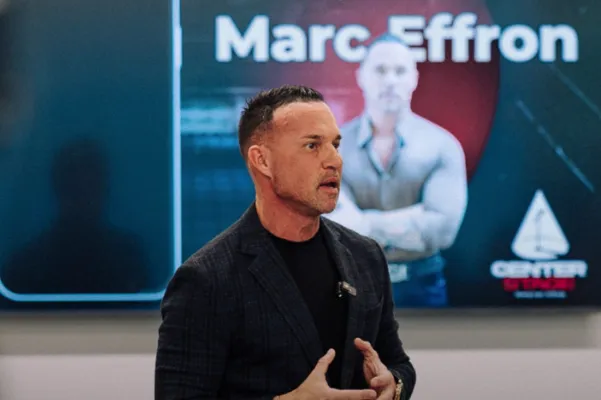
Marc Effron’s executive presence coaching and consulting work is built around this truth. Leadership is not about managing appearances. It is about creating a foundation strong enough to support real responsibility, real people, and real pressure.
What Executive Presence Really Means
Executive presence is the ability to lead with credibility, steadiness, and clarity, even when circumstances are difficult. It is what allows a leader to walk into a room and immediately set the tone, not through dominance, but through grounded confidence.
Leaders who lead this way communicate in ways that are calm, direct, and intentional. They do not rush to fill the silence. They do not overexplain. They speak with purpose because they are connected to what matters. That connection creates trust, which is one of the most powerful leadership currencies.
Executive presence also shows up in how leaders handle pressure. When challenges arise, emotionally grounded leaders do not react impulsively. They pause, assess, and respond. Their teams feel that stability and mirror it. Over time, this creates a culture that can perform without panic.
In high-level environments, this presence influences more than morale. It affects who gets promoted, who is trusted with major decisions, and who is seen as capable of leading through uncertainty. People do not follow titles. They follow their presence.
What Is Executive Presence?
Many professionals believe executive presence is about charisma, confidence, or image. That misunderstanding leads people to chase surface-level behaviors instead of addressing what is actually happening inside.
True executive presence is rooted in self-awareness. Leaders who understand their emotional patterns, their communication habits, and their decision-making tendencies are better equipped to stay steady when things get difficult. Without that awareness, even highly intelligent leaders can undermine themselves through reactivity or inconsistency.
That is why building executive presence cannot be done through advice alone. Developing executive presence coaching must be done through reflection, feedback, and disciplined practice. This is where leadership coaching becomes essential.
How Executive Presence Coaching Builds Executive Presence
Executive presence training provides a space where leaders can examine how they think, how they react, and how they show up when the stakes are high. It turns abstract concepts into practical insight.
Through one-on-one coaching, leaders begin to see the patterns that shape their leadership. They discover what triggers stress, what habits support clarity, and what behaviors may be holding them back. This awareness allows them to make different choices in real time.
Marc Effron’s is an executive presence coach whose approach focuses on aligning inner clarity with outer leadership. That means helping leaders build emotional control, sharpen decision-making, and communicate with greater intention. As leaders develop these skills, executive presence grows naturally, enabling them to command a room.
Coaching also provides accountability. Leaders are not left to guess whether they are improving. They receive honest feedback and structured support so growth becomes measurable and sustainable.
Why Consulting Matters Alongside Coaching
While coaching develops the leader, consulting strengthens the environment the leader operates within. Even the most capable leader can struggle in a system that lacks clarity, structure, or alignment.
Leadership consulting focuses on the organizational conditions that either support or undermine high performance. It addresses how teams communicate, how decisions are made, and how expectations are defined.
Marc Effron’s consulting work helps organizations move from reaction to intention. By clarifying leadership standards, improving communication flow, and aligning priorities, organizations create space for leaders to lead effectively.
When coaching and consulting work together, leaders are not forced to fight against their own systems. They support them.
The Leadership Ecosystem
Executive presence, coaching, and consulting are not separate efforts. They are parts of a single leadership ecosystem.
That leadership style reflects how a leader shows up. Coaching develops the skills that support that presence. Consulting shapes the environment that allows it to thrive.
When one element is missing, leadership becomes harder than it needs to be. A leader may have insight but no organizational support. An organization may have systems but no emotionally grounded leaders. Sustainable performance requires both.
Marc Effron’s work brings these elements together so leaders and organizations grow in alignment rather than in isolation.
From Potential to Performance
Many leaders have untapped potential. What they lack is a structure for turning that potential into consistent performance.
That foundation gives leaders a way to show up with authority and calm. Coaching gives them the tools to grow. Consulting gives them the systems to support that growth.
Together, these elements create a pathway from where a leader is now to where they are capable of going.
Why Executive Presence Matters for Modern Leaders
Modern leadership is more complex than ever. Leaders face rapid change, high expectations, and constant pressure to perform. In this environment, surface-level leadership is not enough.
Teams need leaders who can remain steady when things are uncertain. Organizations need leaders who can make clear decisions without creating unnecessary chaos. Clients need leaders they can trust.
It provides that stability. Coaching develops it. Consulting protects it. The ability to turn pressure into purpose becomes a defining leadership advantage.
The Role of Emotional Discipline
One of the most overlooked aspects of executive presence is emotional discipline. Leaders who cannot regulate their emotions often create instability, even when they are highly competent.
Emotional discipline allows leaders to respond thoughtfully instead of reacting impulsively. It will enable them to listen before speaking and to choose their words with care. Over time, this builds credibility and trust. This is where leading with purpose becomes more than a slogan and starts to shape everyday decisions.
Leadership coaching helps leaders strengthen this discipline. By identifying emotional triggers and learning new response patterns, leaders become more grounded and more effective.
How Clarity Drives Performance
Clarity is a hallmark of executive presence. Leaders who are clear about their priorities, their expectations, and their values create environments where people can focus and perform.
Consulting supports this clarity by helping organizations define roles, processes, and decision-making frameworks. When everyone knows what matters and who owns what, energy is no longer wasted on confusion.
The result is a culture that can move forward with confidence.
Leading With Alignment
The most effective leaders are aligned. Their inner values match their outward behavior. Their decisions reflect what they stand for. Their presence creates stability rather than uncertainty.
Marc Effron’s story reflects this journey from personal transformation to leadership impact. His leadership coaching and consulting work is designed to help leaders reach that same alignment. When leaders know themselves, lead with clarity, and operate within supportive systems, performance becomes sustainable.
Leadership is not about appearing strong. It is about being grounded enough to lead others well.
That is how executive presence is built. That is how potential becomes performance.