
BLOG
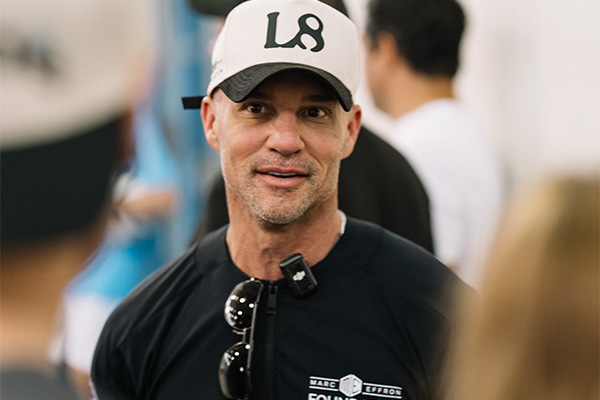
Mental Coach for Athletes: Marc’s Work With High-Level Athletes Off the Field
Elite athletes live under pressure. Contracts, injuries, public scrutiny, locker room dynamics, aging curves, leadership expectations, and relentless competition create an environment where performance is shaped as much by judgment and emotional discipline as by physical skill.
For Marc Effron, the role of a mental coach for athletes is not confined to visualization exercises or game day routines. His work focuses on how high-level performers operate when the spotlight is off, when decisions carry long consequences, and when identity, leadership, and longevity begin to matter as much as stat lines.
At the professional level, the question is rarely whether an athlete is talented enough. The real differentiator becomes whether they can sustain excellence, regulate intensity, and make clear choices over long arcs of a career.
That is where performance coaching and leadership coaching intersect with sport.
Why Elite Athletes Need Mental Coaching Beyond Competition
Professional athletes often reach a point where physical preparation is no longer the primary constraint. Everyone trains hard. Everyone studies film. Everyone competes fiercely.
What separates careers that peak early from careers that compound over decades is how athletes handle uncertainty, status shifts, conflict, recovery, and leadership inside complex organizations.
Mental coaching for athletes addresses the off-field realities that quietly shape outcomes on the field. That includes navigating contract negotiations, returning from injury, managing media narratives, handling internal team politics, preparing for captaincy or mentorship roles, and planning transitions into coaching or ownership.
His coaching focuses on helping athletes think clearly when the stakes are highest, preserve identity beyond short-term results, and build operating systems that hold under pressure rather than collapsing beneath them.
What a Mental Coach for Athletes Actually Does
At the elite level, mental coaching is not therapy, and it is not motivational speaking. It is structured performance work.
Athletes engage in conversations that examine how decisions are made under stress, how authority is exercised inside teams, how conflict is approached, and how emotional swings after wins or losses affect preparation.
Marc works with athletes and coaches to strengthen judgment loops, refine routines, sharpen leadership presence, and reduce the cognitive noise that sustains inconsistency.
The focus stays practical. How does this player prepare after a bad game? How does a veteran handle reduced minutes without eroding influence? How does a captain confront teammates without destabilizing trust? How does a head coach maintain authority while adapting systems in the middle of a losing streak?
Those moments define seasons far more than highlight reels.
How Mental Coaching Differs From Sports Psychology
Sports psychology and mental performance coaching can overlap, but they operate with different mandates.
Sports psychologists may address clinical needs or mental health diagnoses. Mental performance coaching for athletes concentrates on habits, leadership behavior, resilience, communication, and sustained execution in professional environments.
The work remains firmly in the performance domain. The aim is not treatment. The aim is operational excellence. The aim is not treatment. The aim is operational excellence. Athletes and coaches come to this work not because something is broken, but because the margin for error has narrowed and the cost of poor judgment has risen.
Who Benefits Most From Elite Mental Coaching?
Mental coaching is most valuable for performers already operating near the ceiling of their sport.
Veteran professionals navigating longevity. Captains are responsible for locker room culture. Players returning from major injury. Head coaches are managing staff turnover and public scrutiny. Stars are preparing for life after competition.
These individuals face pressure that extends beyond their own play. Their tone influences franchises. Their decisions ripple across organizations. For them, elite coaching becomes infrastructure rather than intervention.
Can Life Coaching for Athletes Support Performance at the Highest Levels?
Some people use the term life coach for athletes to describe work that helps competitors manage identity, transitions, and pressure outside competition.
At the professional level, that category often blends into performance coaching and leadership coaching, especially when athletes are planning long careers, business ventures, or post-playing roles inside organizations.
Marc’s practice emphasizes performance outcomes first, with personal development serving the larger goal of durability, clarity, and sustained competitive relevance.
The Benefits of Mental Coaching for Professional Athletes
Over time, athletes engaged in this work often experience sharper focus, faster recovery after setbacks, steadier emotional regulation, and greater consistency under scrutiny.
Decision-making becomes cleaner during volatile stretches. Leadership presence stabilizes in locker rooms. Media pressure loses its destabilizing power. Contract cycles become less consuming. Confidence becomes grounded in process rather than streaks.
For many, the greatest shift is internal. Performance becomes less reactive and more intentional. Identity expands beyond the scoreboard. Control replaces chaos. Those changes compound season after season.
Why Coaches and Staff Are Part of the Equation
Marc’s work regularly extends beyond players to head coaches, coordinators, and senior staff.
Professional coaches live inside relentless evaluation cycles. Every lineup decision, tactical shift, or press conference is dissected publicly. Internally, they manage egos, development paths, ownership pressure, and front office alignment. Mental coaching helps coaches maintain composure, communicate authority, manage conflict productively, and lead through prolonged uncertainty.
When leadership stabilizes at the top, organizations gain leverage everywhere else.
How Long Mental Coaching Engagements Usually Last
At the elite level, coaching is rarely a one-off engagement. Many athletes and coaches treat this work as a long-term discipline that evolves across seasons, injuries, role changes, and career phases. Patterns only surface over time. Systems strengthen through repetition. Judgment sharpens through cycles of stress and recalibration.
That continuity is what allows performers to stay ahead of pressure rather than constantly responding to it.
When Athletes Know It’s Time to Engage a Mental Performance Coach
Athletes often seek this work during moments of transition. A major injury. A trade. A new leadership role. A public controversy. A contract negotiation. A decline in confidence after years of dominance. A looming retirement decision.
Others arrive proactively, recognizing that their competitive edge now depends less on adding more training hours and more on refining how they think, decide, and recover.
For either case, mental coaching becomes part of the same infrastructure as physical conditioning and tactical preparation.
Beyond the Field
Marc Effron works with professional athletes and coaches who operate inside environments where performance, leadership, and public accountability intersect daily. His coaching engagements focus on decision discipline under pressure, leadership presence inside complex organizations, career longevity, and the transitions that define elite sports careers.
Athletes and coaches who engage in this work are not seeking short-term motivation. They are investing in systems that allow them to perform with clarity across volatile seasons, evolving roles, and long competitive arcs.
Executives and professional athletes interested in exploring this approach can contact Marc Effron to discuss how performance coaching and leadership coaching support sustained excellence at the highest levels of sport.