
BLOG
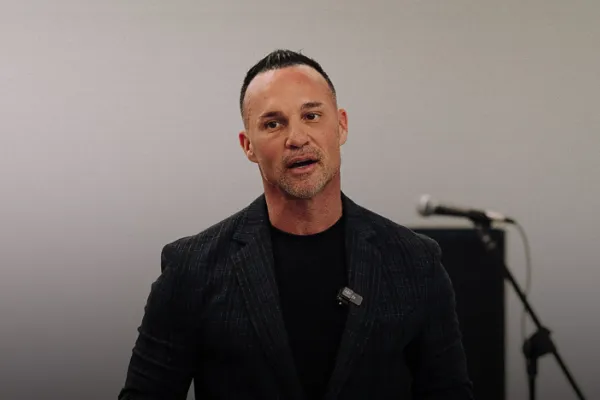
Practice vs. Performance: Leaders Training From Marc Effron
Most leaders spend their days performing. They run meetings, make decisions, manage conflict, and keep priorities moving even when everything feels urgent. From the outside, it looks productive. From the inside, it often feels exhausting. Performance is visible, measurable, and rewarded, but it is also the fastest way for leadership growth to stall. When comparing practice vs. performance, leadership training is often the difference between a good leader and a great one.
The leaders who evolve the most are not the ones who simply execute harder. They are the ones who build a habit of leaders training, even when nothing appears to be broken. They treat leadership as a craft, not a title. They practice the skills that make pressure easier to handle instead of relying on instinct alone. Over time, that commitment to training becomes the difference between looking capable and being consistently effective.
Marc Effron’s work is rooted in this philosophy. Through work with Marc Effron, leaders learn how to step out of constant execution and into deliberate development so that their performance improves because their foundation is stronger.
Why Performance Without Training Eventually Limits Growth
Execution builds confidence in what a leader can do today, but it does not automatically build capacity for what will be required tomorrow. In fact, constant execution often hides the very weaknesses that will surface later, usually when the stakes are highest. Leaders under pressure fall back on habit. If those habits include avoiding difficult conversations, rushing decisions, or absorbing stress without processing it, the organization eventually feels it.
This is why leadership training matters so much. Training creates awareness. It gives leaders the space to notice how they communicate, how they respond emotionally, and how they make decisions before those patterns become embedded in culture. Without that space, even highly skilled leaders can unintentionally create confusion or tension simply by repeating the same reactions.
What Leaders Training Really Looks Like
Leadership training is not about scripted role-play or motivational speeches. It is about strengthening the specific behaviors that shape how people experience leadership every day. When leaders commit to training, they examine how they handle pressure, how they give feedback, and how they set expectations. They practice listening without defensiveness. They refine how they speak when emotions are high. They rehearse conversations that matter before those conversations carry consequences.
This kind of training is especially important for training emerging leaders, because early habits tend to become lifelong ones. When emerging leaders learn to reflect, adjust, and practice deliberately, they develop a leadership style that is resilient rather than reactive.
How Training Changes the Way Leaders Decide
One of the most powerful outcomes of leadership training is better decision-making. Leaders who practice regularly learn to slow down their thinking. They notice emotional triggers before those triggers take over. They become more aware of how stress affects their tone and their timing. That awareness creates space between impulse and action, which is where good leadership lives.
Over time, this discipline compounds. Teams experience clearer direction and fewer mixed messages. Conflicts are addressed earlier and more directly. Momentum increases because leaders are no longer creating friction through unexamined reactions. Training does not remove pressure, but it teaches leaders how to move through pressure with stability.
Why Communication Training for Leaders Transforms Teams
Most leadership challenges are not strategy problems. They are communication problems that wear a strategic disguise. Misalignment usually begins with unclear expectations. Conflict often grows out of assumptions that were never spoken. Performance gaps frequently come from goals that were not defined with enough precision.
That is why communication training for leaders is foundational. Leaders who train how they speak, listen, and ask questions create environments where people understand what matters. Conversations become more focused. Meetings become more productive. Teams stop guessing and start executing with confidence. The result is not just better morale, but better results.
Practice Creates Executive Presence Naturally
Many leaders want a stronger executive presence, but they try to perform it. They focus on posture, voice, and appearance while ignoring what is happening inside. True presence does not come from acting confident. It comes from being grounded.
Leaders training builds that grounding. By practicing emotional discipline, clarity, and intentional communication, leaders become steadier under pressure. That steadiness is what people feel when a leader walks into a room. It is not a performance. It is the result of preparation.
Accountability Grows When Leaders Train for It
Accountability is often misunderstood as pressure, but real accountability is built on clarity and follow-through. When leaders train how to set expectations and revisit them consistently, teams know where they stand. People do not have to guess what matters or who owns what. Trust increases because the rules are stable.
This is where accountability training for leaders plays a critical role. It helps leaders hold standards without becoming rigid or reactive. It strengthens their ability to address issues early and reinforce what good performance looks like, which makes the entire organization more confident and more focused.
Why It’s Important to Implement Training Programs for Leaders
If an organization wants better leadership, it needs more than performance metrics. It requires a system that supports growth. That is why it is important to implement training programs for leaders that are consistent, practical, and connected to real work. Training should not be a one-time event. It should be an ongoing rhythm that reinforces reflection, skill-building, and feedback.
This is also where leadership consulting becomes valuable. When individual leaders are training, but the system around them is misaligned, growth stalls. Consulting helps ensure that expectations, communication, and culture support the same behaviors leaders are practicing.
Coaching Makes Training Stick
Without structure, training fades. Leaders return to urgency, and old habits take over. Coaching provides the container that keeps practice alive. Through focused feedback and reflection, leaders continue to sharpen their awareness and adjust how they show up.
Marc Effron’s coaching work is designed to turn training into a repeatable habit rather than a temporary effort. Leaders do not train only when something breaks. They train so that things do not break in the first place. Marc’s insights are frequently featured in the press and leadership conversations, but the real impact happens in the way leaders apply what they practice every day.
From Execution to Excellence
Performance will always matter. Leaders still need to deliver. But execution without training creates fragility. Leaders training builds resilience. It strengthens how leaders think, speak, and decide. It creates stability that teams can rely on.
When leaders commit to practice, their performance becomes calmer, clearer, and more sustainable. That is how leaders move from constant effort to lasting excellence.